
What is a colon polyp?
A small intestinal polyp can turn into colorectal cancer at any time! Intestinal polyps are cell masses formed by abnormal proliferation of mucosal tissue in the large intestine. Intestinal polyps are convex-shaped and usually grow on the wall of the large intestine. A few of them grow in the rectal segment of the large intestine. Intestinal polyps are an important cause of colorectal cancer. Intestinal polyps are benign in the early stage, but as time goes by, some intestinal polyps may evolve into malignant tumors and form colorectal cancer. Through timely colonoscopy, malignant tumors can be detected early and intestinal polyps can be removed, which can effectively prevent the polyps from continuing to grow or become cancerous.
In Hong Kong,colorectal cancercontinues to be the most common cancer in Hong Kong, and the number of new cases of colorectal cancer is increasing every year. According to the Hong Kong Cancer Foundation, people aged 50 and above should discuss with their doctor and undergo colonoscopy in a timely manner.
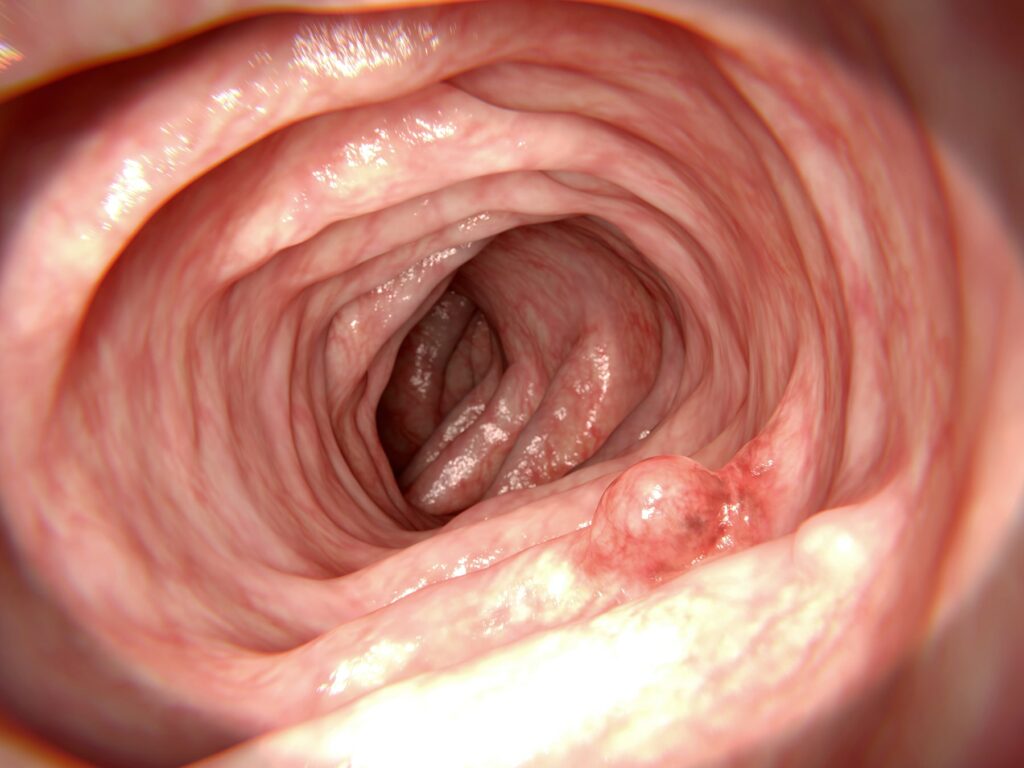
Two Types of Polyps
【Hyperplastic Polyps】
They are generally in the shape of tiny bulges and often grow in the rectum and sigmoid colon. The color of hyperplastic polyps is close to that of intestinal mucosa, but whiter. Although the chance of hyperplastic polyps evolving into malignant tumors is low, since polyps cannot be accurately differentiated between benign and malignant through endoscopy, the intestinal polyps are usually removed and tissue tests are performed to determine whether there are cancer cells.
【Adenomatous Polyps】
They have various shapes and are reddish in color. They can grow in different locations in the large intestine. They are precancerous lesions and have a high risk of evolving from a small polyp into colorectal cancer in 10 to 15 years. However, early detection of intestinal polyps throughColonoscopy examinationand timely removal of intestinal polyps can help prevent the occurrence of colorectal cancer.
What is the relationship between polyps and colorectal cancer?
Any bulge found in the large intestine can be called a polyp, but not all polyps are related to colorectal cancer. In clinical medicine, adenomatous polyps are likely to develop into cancer. Adenomas that have a higher risk of transforming into cancer are those that are larger than 1 cm, have villous components and a high degree of cellular atypia after pathological testing.

Risk Factors
【Unhealthy Lifestyles and Diets】
Following a low-fibre and high-fat diet (especially red meat), smoking, alcohol consumption is going to irritate the intestinal mucosa and stimulate abnormal cell growth to form polyps.
Symptoms
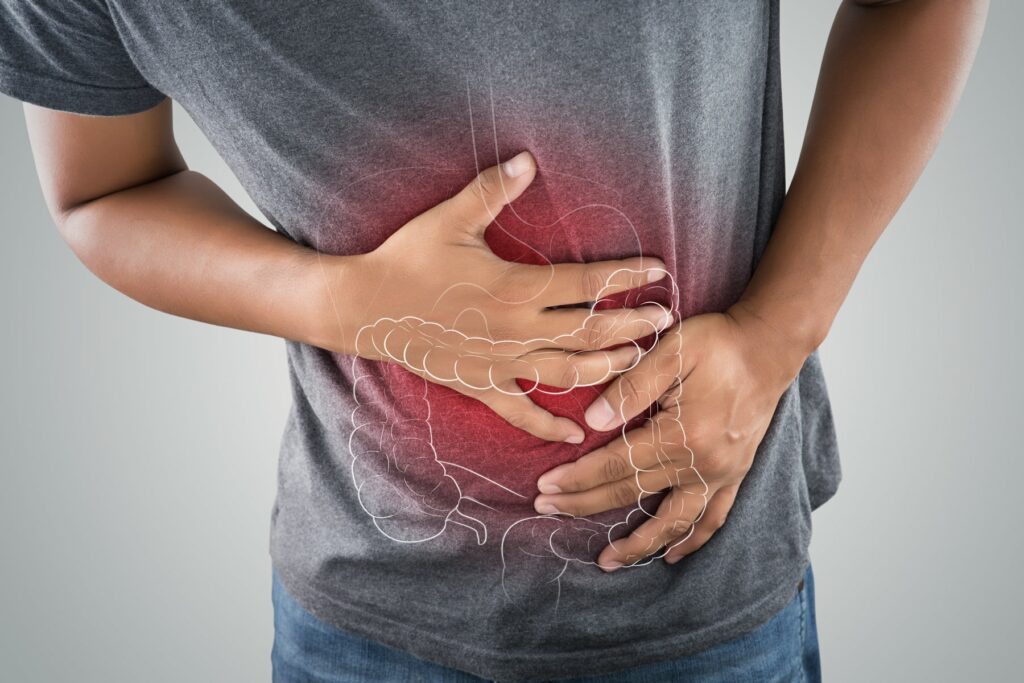
- Change in bowel habits (have diarrhoea/ constipation over a week)
- Black or red streaked stool
- Blood or mucus in the stool
- Belly pain etc.
Do I have to remove my polyps?
The evolution of colorectal cancer mostly begins with a large intestinal polyp. Although most large intestinal polyps are benign in the early stages, if not removed in time, there is a chance that they will deteriorate further and then become cancerous, forming colorectal cancer. Therefore, if intestinal polyps can be removed before they become enlarged or turn into early-stage cancer, the chance of suffering from colorectal cancer will be greatly reduced. If a polyp is found during the examination, be sure to follow the doctor's advice and have it removed to avoid the occurrence of colorectal cancer.
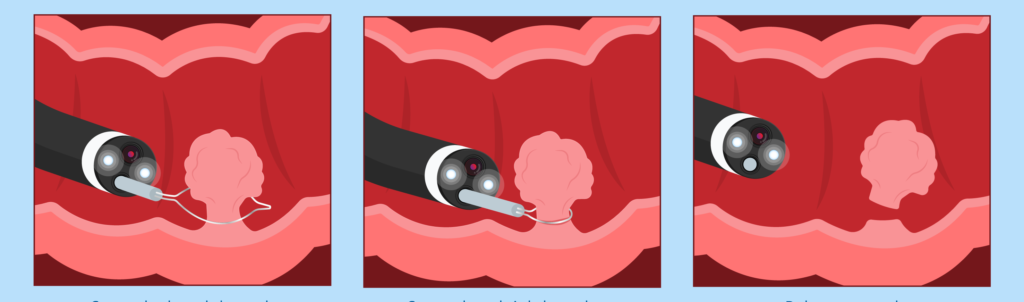
Can I have my polyps removed while having a colonoscopy?
Colonoscopy is a common intestinal exam in Hong Kong. It uses a soft intestinal endoscope of diameter around 1.3 cm to enter your colon from the anus and examine your colon wall carefully. The doctor can know the condition of your colon wall from the screen. It is also possible to remove polyps with other medical devices simultaneously. The doctor may take tissues for a biopsy if the polyps are suspected to be cancerous.