

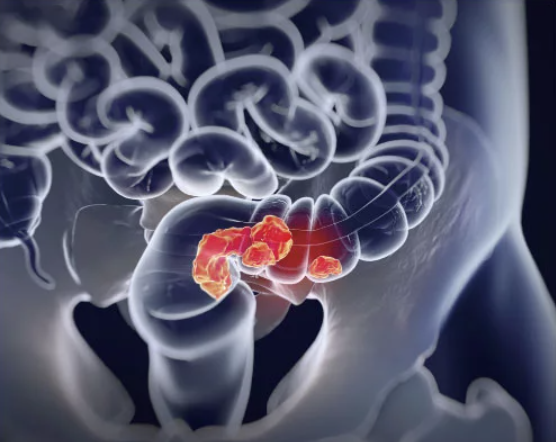
Colorectal cancer is a cancer that occurs when abnormal cells grow in the rectum or colon. Colorectal cancer is mainly divided into two types: colon cancer and rectal cancer, depending on where the cancer tumor grows in the large intestine. Colorectal cancer is one of the most common cancers in Hong Kong. The causes can be divided into congenital and acquired. If you have had intestinal diseases in your family history, such as chronic enteritis, polyps, or even intestinal cancer, it will increase the risk of cancer; acquired factors are related to poor living and eating habits. The early symptoms of colorectal cancer are generally not obvious, such as anemia and diarrhea. It is generally not until the second and third stages of colorectal cancer that more obvious symptoms appear, including blood in the stool, black stool, and unexplained abdominal cramps.
The prevalence of colorectal cancer continues to increase in Hong Kong, which is a worrying trend. According to a report from the Hong Kong Cancer Statistics Center, the incidence of colorectal cancer has shown a significant upward trend, especially among young people, which has attracted more attention to prevention and screening measures.
What types of colorectal cancer are there?
Adenocarcinoma: Adenocarcinomas, which make up the majority of colorectal cancers, originate from glandular cells in the colon or rectum and usually grow slowly.
Mucinous adenocarcinoma: also originates from glandular cells, but the cells secrete large amounts of mucus, making the tumor look like a cyst.
Adenosquamous carcinoma: Derived from glandular and squamous epithelial cells, it is often difficult to diagnose or even more difficult to treat.
Ductal carcinoma: arises from the ducts in the large intestine and is usually easier to diagnose.
Mixed tumors: arise from different cell types and are often difficult to treat or require different therapies to treat different cell types.
Sarcoma: A rarer type of colorectal cancer that originates from connective tissue or smooth muscle cells in the colon or rectum.
Colorectal Cancer Signs and Symptoms
Studies have shown that men are more likely to suffer from colorectal cancer, with a male-to-female ratio of approximately 1.5:1 or 1.6:1. Moreover, after the age of 50, the risk of colorectal cancer increases rapidly. Many people think that colorectal cancer often presents with symptoms such as abdominal pain and constipation, but the most difficult thing is that most colorectal cancers have almost no symptoms, so relying solely on symptoms for diagnosis is unreliable! Early signs of colorectal cancer may not have any symptoms, and obvious symptoms may not appear until the second or third stages of colorectal cancer. In addition, early symptoms of colorectal cancer are easily confused with symptoms of other diseases, making colorectal cancer more difficult to detect in its early stages. If more than one characteristic is noticed and persists for more than a few weeks, a specialist should be seen as soon as possible.
1. Change in bowel habits
Changes in bowel habits lasting more than two weeks (e.g., intermittent constipation or diarrhea, pencil-thin stools, etc.)
3. Abdominal discomfort (abdominal pain and cramping)
Passing dark red or black stools, or unexplained mucus in the stool
3. Abdominal discomfort (abdominal pain and cramping)
The main cause of abdominal pain or colic is intestinal obstruction causing bloating, excessive gas, and excessive farts. Abdominal pain symptoms can usually be relieved after exhaust and defecation; however, it occurs very often.
4. Sudden weight loss
Loss of appetite, decreased appetite, or continued weight loss; it may be that cancer cells are rapidly expanding and consuming body energy

Causes of colorectal cancer
Although the medical community has not yet identified the cause of colorectal cancer, statistics show that colorectal cancer may be related to poor eating habits, living habits, and family history. High-risk factors include:
- A blood related family member has suffered from colorectal cancer
- Have had intestinal polyps
- Long-term inflammation of the large intestine
- Eating too much animal fats and processed meats
- Eating too much protein
- Absorbing too little plant fiber
- Lack of exercise, body fat
- Smoking, drinking
How is colorectal cancer diagnosed?
Diagnosing colorectal cancer usually requires a series of exams and tests designed to examine the inside of the large intestine to determine whether there are abnormalities. The following are common methods for diagnosing colorectal cancer:
- Colonoscopy (Colonoscopy): This is one of the most common and effective ways to diagnose colorectal cancer. During this procedure, a doctor uses a flexible, tube-like instrument (a colonoscope) inserted into the rectum to look through the intestines to see what's going on inside the large intestine, including looking for abnormal tissue, tumors, or polyps.
- Stool testing: Having a stool test can help detect potential bleeding or cancer cells inside the large intestine. This testing usually includes fecal occult blood testing and fecal DNA testing.
- Imaging tests: These include imaging tests such as CT scans, MRIs, and ultrasounds. These tests can help doctors check the size, location, and spread of tumors.
- Tissue examination (biopsy): When abnormal tissue is found during aColonoscopy, the doctor may take a sample of the tissue for a biopsy to determine whether it is cancerous.
- Blood test: Although a blood test alone cannot diagnose colorectal cancer, it can provide general information about the condition and potential problems.
- Genetic testing: For people with a family history, genetic testing can help determine whether there is a genetic risk associated with colorectal cancer.
Colorectal Cancer Medical Treatment
Managing colorectal cancer is often a multidisciplinary process involving surgeons, oncologists, radiation oncologists, and other specialized medical teams. Treatment plans are based on the patient's specific circumstances, such as the location, size, spread of the cancer, and the patient's overall health. The following are common medical treatments for colorectal cancer:
- Treatment: Treatment is one of the main ways to deal with colorectal cancer. The surgeon usually removes the affected area, including the tumor, and may remove surrounding lymph nodes to prevent the cancer cells from spreading.
- Chemotherapy: Chemotherapy uses anti-cancer drugs to destroy cancer cells. It can be used to shrink tumors before a course of treatment (novel chemotherapy) or after a course of treatment (adjuvant chemotherapy) to prevent recurrence or spread.
- Radiation therapy: Radiation therapy uses high-energy radiation to kill cancer cells. It can be used alone or in conjunction with treatments and chemotherapy to increase treatment results.
- Targeted therapy: Targeted therapy is a treatment that targets specific cancer cells, usually by inhibiting their growth and spread.
- Immunotherapy: Immunotherapy uses the patient's own immune system to fight cancer cells. This treatment may be used to treat colorectal cancer in certain circumstances.
- Supportive therapy: including pain control, side effect relief, nutritional support and psychological support to help patients cope with various challenges during the treatment process.
Colorectal cancer FAQ
1. How to stage colorectal cancer
Colorectal cancer is divided into stages 0 to 4, and the stage is determined based on the depth of tumor invasion (T stage), the presence of local lymphatic metastasis (N stage), and the presence of distant organ metastasis (M stage).
2. If I have hemorrhoids, can I participate in the colorectal cancer screening program?
You can join the programme and conduct a FOBT as long as the pile does not bleed. If it does, please seek medical assistance as soon as possible.
3. Does a positive fecal occult blood test result indicate colorectal cancer?
A positive FOBT result means that blood is detected in your stool. This can be due to a number of other conditions apart from colorectal cancer. You should discuss with your doctor regarding further investigations to look for the cause of the bleeding.
4. Can I have a colonoscopy on the same day?
Since colonoscopy (colonoscopy) requires no eating or drinking 6 hours before the examination, and the intestines need to be completely cleaned before the examination to avoid feces from blocking the observation of the large intestine. Therefore, same-day colonoscopy appointments will not be offered. The general procedure requires an interview with a doctor to understand the patient's condition, and then arrange appropriate examination and treatment.
5. Does colonoscopy require hospitalization?
Colonoscopy is a simple exam that only requires the patient to spend a half day in the daytime medical centre to conduct the exam.